Story Time Does Not Have to Be Passive
We all know reading to children is important. But here is the thing: it does not have to be you reading and them sitting still (good luck with that anyway). The best story times are the noisy, giggly, slightly chaotic ones where everyone is involved.
Here are five of my favourite ways to turn story time into something truly interactive.
1. Pause and Let Them Fill in the Gap
This is the easiest trick in the book, quite literally. When you are reading a rhyming story, pause just before the last word of a rhyming couplet. Leave a little silence. Watch your child's face light up as they shout out the answer.
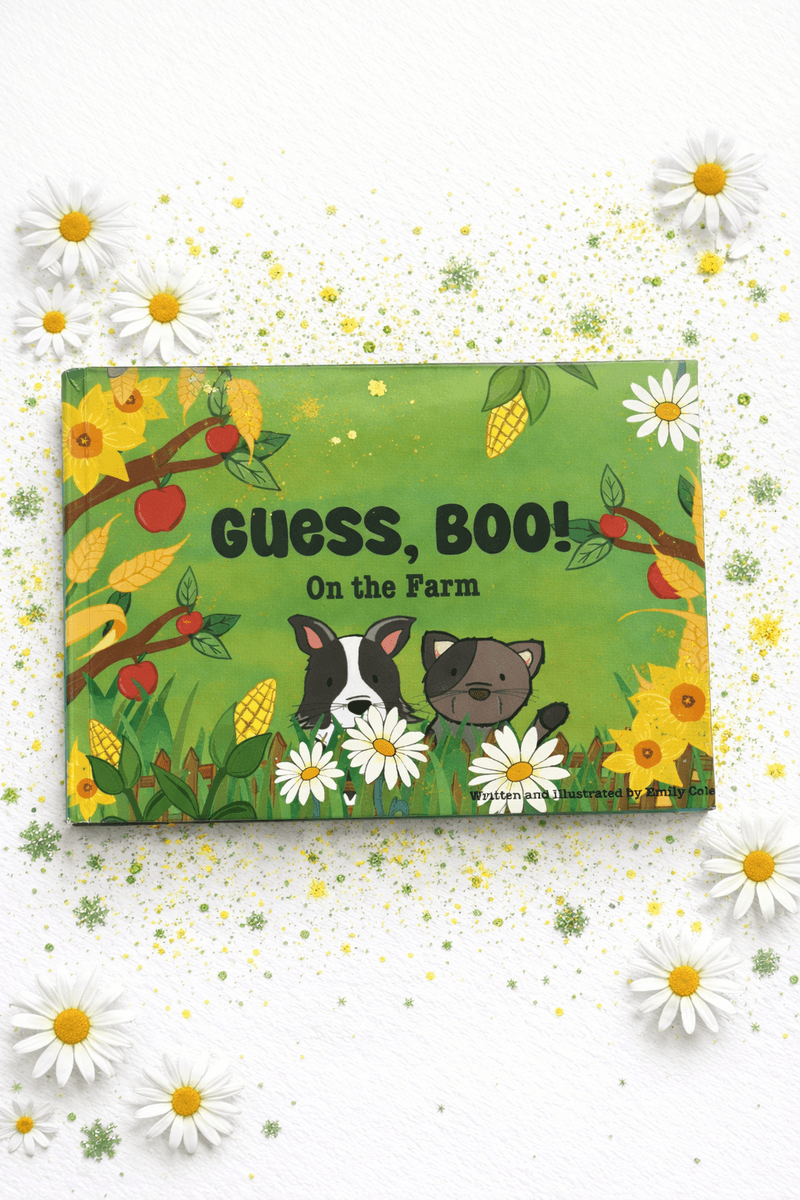
The Guess, Boo! books are designed for exactly this. The rhyming structure and guessing game format mean children are actively participating, not just listening. It builds confidence and makes them feel like they are part of the story.
2. Use Silly Voices
I know, I know. You feel ridiculous doing a squeaky mouse voice or a growly monster voice. But children absolutely love it. Different voices for different characters make the story come alive and help little ones follow who is speaking.
Try giving Ruggi a big, bumbling, friendly voice. Make the jungle animals in Guess, Boo! sound wild and excited. The sillier you go, the more they will want to hear the story again.
3. Get Physical
Point at the pictures. Make animal sounds. Stomp your feet when something big happens. Clap when there is a surprise. Story time does not have to mean sitting perfectly still on the sofa.
With younger children especially, movement and sound effects keep their attention and help them connect with what is happening in the story. If a character jumps, you jump. If a character whispers, you whisper. They will copy you, and suddenly the story is a whole-body experience.
4. Ask Questions Along the Way
Instead of reading straight through, stop and ask questions. "What do you think is behind the door?" or "Can you see the hidden butterfly?" or "What colour is the monster's fur?" These little pauses turn reading into a conversation.
It also helps you gauge what your child is understanding and noticing. You might be surprised by how observant they are. Children spot details in illustrations that adults miss entirely.
5. Read It Again (and Again and Again)
I know repetition can feel tedious for grown-ups, but it is gold for children. Each time they hear a story, they pick up something new. They learn the words. They anticipate the rhymes. They notice new details in the pictures.
By the fifth or sixth read, they are practically reciting it themselves. And that is not boring. That is a child learning to read.
The Secret Ingredient
The real secret to great story time is not technique. It is presence. Put the phone down. Make eye contact. Laugh together. Those are the moments your children will remember long after they have outgrown picture books.